
Peach Kernel Shell Fuel Supply
Peach stones are a low-ash, high-calorific by-product of fruit juice and canning plants and, once dried, a good biomass fuel for boilers. Biyolink verifies peach stones and cracked shells with laboratory analysis and delivers them to industrial plants in bulk or in big bags — and buys from plants that have peach stones to sell.
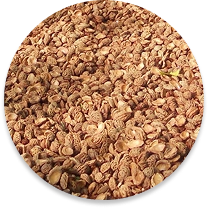
What Are Peach Kernel Shells and Where Do They Come From?
Peach stones are the hard stones separated from the fruit at plants that process peaches into purée, nectar, canned fruit and jam. As fuel they are mostly sold whole; where the kernel has been removed, the cracked shell left over is used the same way. Fresh stones from the plant carry fruit residue and moisture, so they are cleaned and dried before being sold as fuel.
In Türkiye peach production is concentrated in Çanakkale, Mersin, Bursa, İzmir and Denizli. Depending on the variety and region, the harvest runs from late spring to early autumn, so stones come out mainly during the summer processing season. Dried stones keep well, so stock is built during the season for year-round delivery.
Typical Technical Values
| Property | Typical value |
|---|---|
| Net calorific value | About 3,600–4,200 kcal/kg depending on moisture |
| Moisture | 8–15% (dried); higher in fresh stones |
| Ash | About 0.5–1.5% |
| Particle size | Whole stones are large; they can be crushed to suit the feeding system |
| Form | Bulk; whole stones or cracked shells |
These are typical ranges from published sources; actual values vary by lot, source and moisture. We share a laboratory analysis of every lot with our quote.
What Are Peach Kernel Shells Used For?
The kernel inside the stone is used for oil and the shell is a raw material for activated carbon, but the biggest use of peach stones is as fuel. Ash is low, the calorific value high, and published studies report that the ash melts at a higher temperature than that of many other shells. Studies of stones from the fruit juice industry show that they burn efficiently in fluidised-bed boilers. Whole stones are large, so they may need crushing to suit the feeding system.
- Grate and fluidised-bed biomass boilers
- Steam and hot-water boilers (food, textiles, paper)
- Greenhouses and drying plants
- Multi-fuel central-heating boilers
Transport and Delivery
Dried peach stones travel in bulk on tipper or walking-floor trailers, or in big bags. Damp stones left in a pile for long can go mouldy, so they should travel dry and be stored indoors in a ventilated space. Every shipment is recorded with a waybill and a weighbridge ticket.
What Determines the Price of Peach Stones?
The price per tonne is not fixed; it changes with the season, how dry the stones are and the lot. We build our quote around:
- Moisture and ash (laboratory analysis)
- Fruit residue and foreign matter
- Whole stones or cracked shells; bulk or big bags
- Volume, season and distance to the delivery point
Looking for a Buyer for Peach Stones?
Biyolink buys the peach stones from your juice, purée or canning plant. Sign up to the marketplace for free and list them; tell us the volume, whether they are dried and any analysis values, and we will send our price. We plan the haulage.
Frequently Asked Questions
What is the calorific value of peach stones?
Published sources give dried peach stones a net calorific value of about 3,600–4,200 kcal/kg depending on moisture. Fresh stones hold more water, so the value is lower; we share a laboratory analysis of every lot with our quote.
Can peach pits be used as heating fuel?
Yes. Dried peach pits can replace coal or wood in central-heating and multi-fuel boilers built for solid fuel, and they leave little ash. In automatically fed boilers the stone size must suit the feeding system; if it does not, the stones are crushed. Biyolink supplies peach stones at industrial scale, in bulk or big bags.
What are peach pits used for?
In industry mostly as fuel. The kernel is also used for oil and the shell as a raw material for activated carbon. This page is about peach stones used as fuel.
Can peach stones from a juice plant be burned straight away?
Fresh stones carry fruit residue and moisture: as they are, their calorific value is low and they can go mouldy in a pile. They need cleaning and drying before use as fuel. We supply dried stones with an analysis.
How can I sell my peach stones?
Sign up to our marketplace for free and create a listing, or message us on WhatsApp. Tell us the volume, the location, whether they are dried and any analysis values you have.
How much does a tonne of peach pits cost?
The price per tonne depends on the season, moisture, volume and delivery point, so we do not publish a fixed price. Tell us the volume, delivery location and schedule and we will send a current quote with the analysis values — or, if you have peach stones to sell, list them and we will send our price.
 Hazelnut Shells
 Walnut Shells
 Almond Shells
 Pistachio Shells
 Apricot Kernel Shells
 Sour Cherry Stones
 Peanut Shells
 Rice Husk
 Olive Pomace