
Apricot Kernel Shell Fuel Supply
With low ash and a high calorific value, apricot kernel shells are a hard biomass fuel long used for heating in Türkiye’s apricot region. Biyolink collects shells from kernel cracking plants, verifies them with laboratory analysis and delivers them to industrial plants in bulk or in big bags — and buys from producers who have shells to sell.
What Are Apricot Kernel Shells and Where Do They Come From?
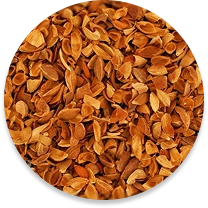
Apricot kernel shells are the woody shells left when apricot stones are cracked and the kernel is separated at cracking plants. About 70% of the stone’s weight is shell; the kernels go for oil, food and cosmetics, and the shells are a by-product.
Türkiye is one of the world’s leading apricot producers. Malatya is the largest producing province, with Elazığ, Kahramanmaraş and Mersin among the other important ones, and most kernel cracking takes place in Malatya. Harvest and drying are in summer; dry stones keep well, so cracking continues after the harvest. The volume of shells depends on the year’s crop, and in years hit by late spring frosts supply falls sharply.
Typical Technical Values
| Property | Typical value |
|---|---|
| Net calorific value | About 3,900–4,300 kcal/kg depending on moisture |
| Moisture | 6–12% |
| Ash | Usually below 1% |
| Particle size | Small, hard pieces as they come from cracking; flow easily on screw conveyors |
| Form | Bulk, hard broken shell pieces |
These are typical ranges from published sources; actual values vary by lot, source and moisture. We share a laboratory analysis of every lot with our quote.
What Are Apricot Kernel Shells Used For?
Ground and sieved, apricot kernel shells are used as an abrasive for blasting and polishing, as exfoliating granules in cosmetics and as a raw material for activated carbon, but their biggest use is as fuel. Ash is very low and the calorific value high; the hard, small pieces move smoothly on screw conveyors. Published studies report that apricot stone ash melts at a higher temperature than that of many other shells, which limits the risk of slagging in the boiler.
- Steam and hot-water boilers (food, dairy, textiles)
- Drying plants and poultry-house heating
- Biomass power plants
- Central-heating boilers and stoves
Transport and Delivery
Apricot kernel shells travel in bulk on tipper trailers or in big bags. They are heavy and dense, so a truck usually reaches its weight limit before it is full. They should be covered in transit and stored indoors to keep them dry. Every shipment is recorded with a waybill and a weighbridge ticket.
What Determines the Price of Apricot Kernel Shells?
The price per tonne is not fixed; it changes with the crop, the season and the lot. We build our quote around:
- Moisture and ash (laboratory analysis)
- Cleanliness: dust, kernel residue and foreign matter
- Volume, delivery schedule and distance to the delivery point
- The year’s apricot crop and local demand for heating fuel
Looking for a Buyer for Apricot Kernel Shells?
Biyolink buys the apricot kernel shells from your cracking plant or warehouse. Sign up to the marketplace for free and list them; we will look at the volume and any analysis values and send you our price. We plan the haulage.
Frequently Asked Questions
What is the calorific value of apricot kernel shells?
Published sources give a net calorific value of about 3,900–4,300 kcal/kg depending on moisture. The exact value varies by lot; we share a laboratory analysis of every lot with our quote.
What are apricot kernel shells used for?
Mostly as fuel: they replace coal or wood in industrial boilers, drying plants and central-heating boilers built for solid fuel. Ground shells are also used as a blasting abrasive and as an exfoliant in cosmetics, and the shells are a raw material for activated carbon.
What is apricot kernel shell powder?
It is shell that has been ground and sieved to a set particle size, used in blasting, polishing and cosmetics. Biyolink supplies apricot kernel shells as fuel, in bulk or in big bags.
Are apricot kernel shells available all year?
Harvest and drying are in summer, but dry stones keep well, so cracking continues after the harvest and shells are available for most of the year. Volumes depend on the year’s crop; for regular orders we plan stock and the delivery schedule in advance.
How can I sell my apricot kernel shells?
Sign up to our marketplace for free and create a listing, or message us on WhatsApp. Tell us the volume, the location and any analysis values you have.
How much does a tonne of apricot kernel shells cost?
The price per tonne depends on the crop, season, moisture, volume and delivery point, so we do not publish a fixed price. Tell us the volume, delivery location and schedule and we will send a current quote with the analysis values — or, if you have shells to sell, list them and we will send our price.
 Hazelnut Shells
 Walnut Shells
 Almond Shells
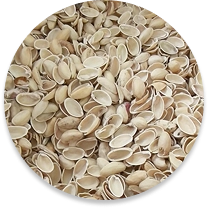 Pistachio Shells
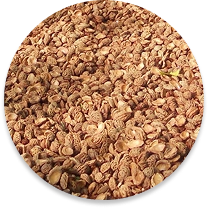 Peach Kernel Shells
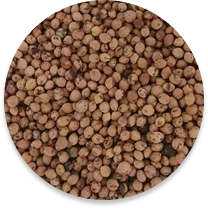 Sour Cherry Stones
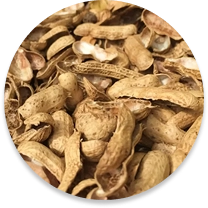 Peanut Shells
 Rice Husk
 Olive Pomace