
Olive Pomace and Pellet Fuel Supply
Olive pomace is the high-calorific by-product of olive oil production and one of the most widely used biomass fuels at industrial plants in the Aegean and Mediterranean regions. Biyolink collects dry pomace and pomace pellets from pomace plants, verifies them with laboratory analysis and delivers in bulk or in big bags.
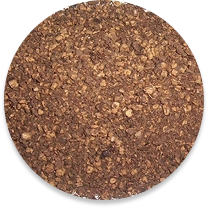
What Is Olive Pomace?
Olive pomace is the mix of stones, skins and pulp left after olives are pressed. Dry pomace used as fuel is what remains once pomace plants have dried it and extracted most of the residual oil. Pomace pellets are dry pomace compressed to a standard size; they burn more evenly and are easier to transport.
The main sources are olive regions such as Aydın, İzmir, Balıkesir, Manisa, Muğla, Hatay and Mersin. Pressing runs from October to February, so pomace production peaks in winter; stock planning matters for steady year-round supply. This page is about pomace as fuel, not pomace oil.
Typical Technical Values
| Property | Typical value |
|---|---|
| Net calorific value | About 4,000–4,500 kcal/kg |
| Moisture | 8–15% (dried) |
| Ash | 3–8% |
| Bulk density | Dry pomace about 500–650 kg/m³ |
| Form | Bulk (dry pomace) or 6–8 mm pellets |
These are typical ranges from published sources; actual values vary by lot, source and moisture. We share a laboratory analysis of every lot with our quote.
Where Is Olive Pomace Used?
Olive pomace has a high calorific value, but more potassium and chlorine than wood fuels, which can cause slagging and corrosion in some boilers. Depending on the boiler manufacturer’s advice it is burned on its own or blended with other biomass.
- Industrial steam and hot-water boilers
- Greenhouse heating
- Biomass power plants
- Alternative fuel in cement kilns
Transport and Delivery
Dry pomace travels in bulk on tipper trucks or in big bags; pomace pellets come in big bags or in bulk. Because of its oily nature it should not sit in the open for long and should be stored in a covered, ventilated area.
What Determines the Price of Olive Pomace?
Pomace prices follow the season closely: supply rises during pressing and stocks fall in summer. We build our quote around:
- Dry pomace or pellets
- Moisture, ash and residual oil (laboratory analysis)
- Season, volume and delivery schedule
- Distance to the delivery point
Looking for a Buyer for Olive Pomace?
Biyolink buys dry pomace from your pomace plant and the pomace pellets you produce. Sign up to the marketplace for free and list them; share the volume and any analysis values and we will send our price.
Frequently Asked Questions
What is the calorific value of olive pomace?
Published sources give dry pomace a net calorific value of about 4,000–4,500 kcal/kg. It varies by lot with moisture and residual oil; we share an analysis of every lot.
Dry pomace or pomace pellets?
Pomace pellets are more uniform, so they flow smoothly in automatic feeding systems and create less dust. Dry pomace is usually cheaper and works well if your feeding system can take it.
Can every boiler burn olive pomace?
Not every boiler, because of its potassium and chlorine content. Share your boiler manufacturer’s fuel specification and we will assess suitability and, if needed, a blend ratio together.
Is olive pomace available all year?
Production peaks in the October–February pressing season. For steady year-round supply we plan stock and the delivery schedule at the start of the season.
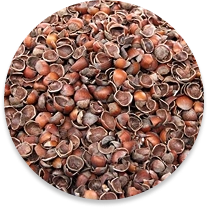 Hazelnut Shells
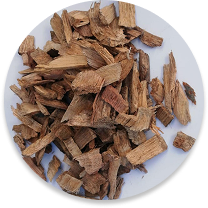 Wood Chips
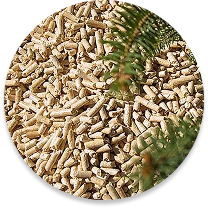 Pine Pellets
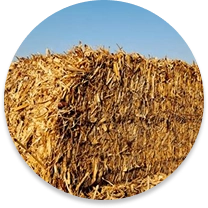 Corn Stalks
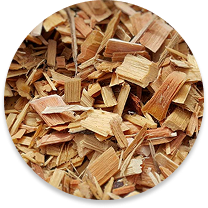 Sawdust
 Stained Straw
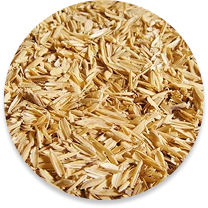 Rice Husk