
Dried Tomato Stalk Supply and Purchasing
Dried tomato stalks are the stems and leaves of tomato plants pulled from greenhouses or fields after the harvest, then dried. Very wet when fresh, the residue becomes a fuel and compost feedstock once dried; ash and chlorine are high, so every lot is assessed by analysis. Biyolink verifies dried tomato stalks with laboratory analysis and delivers them to suitable plants — and buys from growers with tomato stalks to sell.
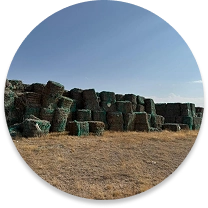
What Are Dried Tomato Stalks, and Where Do They Come From?
Tomato plants keep growing through the season; when the harvest ends, the stems, leaves and roots are pulled from the greenhouse or field. Most of the fresh plant’s weight is water — sources give 70–90% moisture for greenhouse residues. Dried in the sun or under cover, the residue becomes lighter and can be transported and stored. Plastic twine and clips used to train the plants in greenhouses can end up in the residue and must be removed.
Greenhouse tomatoes are concentrated in Antalya and Mersin, and field tomatoes in Bursa, Manisa, İzmir and Çanakkale. In greenhouses the residue comes mostly at the end of the season, in late spring and early summer; in fields after the harvest, in late summer and autumn. Fewer analyses have been published for this residue than for common biomass, so we assess every lot separately.
Typical Technical Values
| Property | Typical value |
|---|---|
| Net calorific value | About 2,000–3,000 kcal/kg when dried |
| Moisture | 70–90% fresh; about 15–25% once dried |
| Ash | 12–25%; higher when soil is mixed in |
| Chlorine | High; sources report over 1% of dry matter |
| Form | Dried stems and leaves; baled or chipped in bulk |
These are typical ranges from published sources; actual values vary by lot, source and moisture. We share a laboratory analysis of every lot with our quote.
What Are Dried Tomato Stalks Used For?
Tomato stalks are mostly used for compost and as a soil conditioner, and the fresh residue can go to biogas plants. Dried stalks can be burned as fuel, but their ash and chlorine are higher than most biomass, raising the risk of slagging, fouling and corrosion. They should not be burned alone but blended with low-ash fuels such as wood chips, in boilers with strong ash handling.
- Compost and soil conditioner
- Biogas plants (fresh residue)
- Blended fuel with wood chips and similar fuels
- Biomass boilers with strong ash handling
Transport and Delivery
Dried tomato stalks are light and bulky, so trucks fill by volume before weight; they travel baled or chipped in covered trucks. If they take on moisture again they rot and heat up, so they must be stored dry and under cover. Plastic twine, clips and soil are removed before loading; every shipment is recorded with a waybill and a weighbridge ticket.
What Determines the Price of Dried Tomato Stalks?
With dried tomato stalks, cleanliness and dryness matter most. We build our quote around:
- Moisture, ash and chlorine (laboratory analysis)
- Foreign matter such as plastic twine, clips and soil
- Form (bales or chips) and tonnage per run
- Distance from the collection area to the delivery point
We Buy Tomato Stalks From Your Greenhouse
If you have dried and cleaned the tomato stalks from your greenhouse or field at the end of the season, Biyolink buys them. Sign up to the marketplace for free and list them, or message us on WhatsApp; share the volume, location and how dry the stalks are, and we will send our price after analysis.
Frequently Asked Questions
What is the calorific value of dried tomato stalks?
Based on published measurements, dried tomato plant residue has a net calorific value of about 2,000–3,000 kcal/kg depending on moisture and ash. Few analyses have been published for this residue and lots differ widely; we analyse every lot.
What are tomato stalks used for?
After the harvest, the stems and leaves of tomato plants are used for compost and as a soil conditioner, fresh residue can go to biogas plants, and dried stalks can be used as fuel. The small green stem on top of the fruit is a different matter; this page is about the plant residue left after the harvest.
What can be done with greenhouse plant waste?
Plant waste such as tomato stalks can go to compost or biogas plants, or be used as fuel once dried. Plastic film, twine and clips should be collected separately. Putting plant residue to use is better for the environment and the grower than burning or dumping it.
Why do tomato stalks need to be dried?
Fresh tomato plants are 70–90% water. Burned like that, most of the heat goes into evaporating water; haulage is also expensive and the residue rots in storage. Dried stalks are lighter, burn better and keep.
How can I sell my tomato stalks?
Sign up to our marketplace for free and create a listing, or message us on WhatsApp. Tell us the volume, the location, how dry the stalks are and whether twine and clips have been removed.
 Corn Stalks
 Stained Straw
 Sunflower Stalks
 Cotton Stalks
 Rice Straw
 Canola Stalks