
Seaweed Supply and Sourcing
Seaweed is the common name for the large algae (macroalgae) that grow in the sea. Fresh seaweed is mostly water, and even dried it stays high in ash and salt, so it is used far more as fertiliser, soil conditioner, biogas feedstock and industrial raw material than as fuel. Biyolink buys seaweed from those who collect or farm it, verifies it with analysis and delivers it to fertiliser producers, biogas plants and processors.
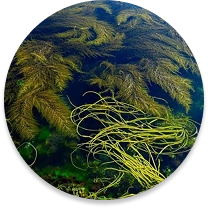
What Is Seaweed and Where Does It Come From?
Seaweeds are grouped by colour into green, brown and red seaweeds; sea lettuce (Ulva) and the brown kelps are familiar examples. Mosses that grow on damp ground, and the ribbon-leaved seagrasses (flowering plants such as Posidonia) that wash up on beaches, are different organisms; this page is about seaweed.
As biomass, seaweed comes from two sources: collecting what washes ashore or builds up in shallow bays, and farming at sea. Seaweed farming is still limited in Türkiye, and collecting from the shore or the sea may require permission from the local authority and other bodies. Fresh seaweed starts to spoil within days, so it should be dried or processed quickly after collection.
Typical Technical Values
| Property | Typical value |
|---|---|
| Moisture | About 80–90% when fresh |
| Ash | About 12–36% of dry matter; high in salt and sulphur |
| Gross calorific value | About 3,300–4,200 kcal/kg washed and dried |
| Methane potential | About 130–340 litres per kg of organic matter |
| Form | Wet or dried, bulk; may contain sand and shells |
These are typical ranges from published sources; actual values vary by lot, source and moisture. We share a laboratory analysis of every lot with our quote.
What Is Seaweed Used For?
In farming, seaweed is used as fertiliser and soil conditioner and as the raw material for liquid seaweed extracts and plant-nutrition products; some species yield alginate, agar and carrageenan for the food and pharmaceutical industries, and it is also used as a feed additive. Biogas plants can co-digest it with other wastes, keeping the share limited because salt and sulphur can upset the process. It is not a suitable fuel: even dried, its high ash and salt cause slagging and corrosion in boilers.
- Organic fertiliser, compost and seaweed extract producers
- Biogas plants (co-digestion)
- Alginate, agar and carrageenan production
- Feed additives and cosmetic ingredients
Transport and Delivery
Fresh seaweed is heavy and wet, and spoils and smells quickly, so it either reaches the plant fast or is drained and dried where it is collected. Wet seaweed travels in sealed-body trucks; dried seaweed in bulk or in big bags. Every shipment is recorded with a waybill and a weighbridge ticket.
What Determines the Price of Seaweed?
Raw seaweed is priced very differently from the processed seaweed fertilisers sold in shops; the price depends on the species and the condition of the lot. We build our quote around:
- Species and suitability for the intended use
- Moisture, ash and salt; sand and foreign matter
- Fresh or dried, and volume
- Distance from the collection point to the delivery point
Have Seaweed to Sell?
Biyolink buys the seaweed you collect or farm. Sign up to the marketplace for free and list it; tell us the species, volume, whether it is fresh or dried and where it is, and we will send our price. We plan the haulage.
Frequently Asked Questions
What is seaweed — is it the same as moss?
No. Seaweeds are algae that grow in the sea; mosses are small plants that grow on damp ground. The ribbon-like seagrass (such as Posidonia) that washes up on beaches is not seaweed either, but a flowering marine plant. Biyolink supplies seaweed (macroalgae).
What is seaweed fertiliser used for?
Seaweed adds organic matter, potassium and trace elements to the soil, and its extracts are used in products that support plant growth. Commercial seaweed fertilisers are made by drying, grinding or extracting raw seaweed. Before using raw seaweed as fertiliser, it is advisable to wash out the salt or compost it.
Can seaweed be used as fuel?
Rarely. Fresh seaweed is about 80–90% water; washed and dried, published sources give it a gross calorific value of about 3,300–4,200 kcal/kg, but its ash and salt content is high and causes slagging and corrosion in boilers. Biogas is the better route to energy from seaweed.
Can biogas be made from seaweed?
Yes. Published sources give seaweeds a methane potential of about 130–340 litres per kg of organic matter, depending on the species. Because salt and sulphur can upset the process, seaweed is usually co-digested with wastes such as animal manure, at a limited share.
How can I sell my seaweed?
Sign up to our marketplace for free and create a listing, or message us on WhatsApp. Tell us the species, whether it is fresh or dried, the expected volume and where it is — and your collection permit, if you have one.
How much does seaweed cost?
The liquid or powdered seaweed fertilisers sold in shops are processed products; the price of raw seaweed depends on species, moisture, salt and sand content, volume and delivery point. So we do not publish a fixed price; tell us the volume and delivery location and we will send a current quote.
 Poultry Litter
 Cattle Bedding
 Algae
 Fish Waste