
Cattle Bedding Supply and Sourcing
Cattle bedding is the straw, stalks or sawdust spread under cattle in the barn, mixed with dung and urine — better known as farmyard manure. Its moisture is high, so it is not a fuel but a feedstock for biogas and compost. Biyolink buys bedded manure from dairy and beef farms, verifies it with analysis and delivers it to biogas plants and compost and organic fertiliser producers.
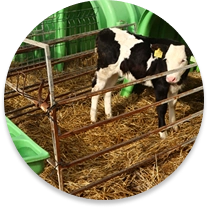
What Is Cattle Bedding and Where Does It Come From?
In dairy and beef barns, straw, chopped stalks or sawdust are spread where the animals lie. The bedding soaks up dung and urine and is mucked out at intervals onto a manure heap. The resulting solid manure is drier and more fibrous than the slurry from barns without bedding, so it is easier to transport and store.
In Türkiye, Konya and Erzurum are among the provinces with the most cattle, and İzmir and Balıkesir among the leading milk producers. Bedded manure is produced all year, but because it is wet and heavy its economic haulage distance is short, so it is mostly used at plants close to the farm.
Typical Technical Values
| Property | Typical value |
|---|---|
| Moisture | About 70–80% |
| Ash | About 15–25% of dry matter |
| Nutrients | About 0.6% N, 0.3–0.4% P₂O₅, 0.7–0.9% K₂O (fresh weight) |
| Calorific value | Very low when wet; about 3,600–4,000 kcal/kg gross on a dry basis |
| Form | Bulk, fibrous solid manure (with straw or sawdust) |
These are typical ranges from published sources; actual values vary by lot, source and moisture. We share a laboratory analysis of every lot with our quote.
What Is Cattle Bedding Used For?
Bedded manure is mostly used on the land: matured in a heap or composted, then spread to return organic matter and nutrients to the soil. It is also one of the main feedstocks of biogas plants; the straw and stalks break down slowly, so plants usually shred it or mix it with slurry and other wastes. As a fuel it can only be used once dried, in plants designed and permitted for it; wet manure is not suitable for boilers.
- Biogas plants
- Compost and organic fertiliser producers
- Manure pellets and granular fertiliser
- Farms (soil improvement)
Transport and Delivery
Bedded manure travels in bulk on tipper trucks. Being heavy and wet, it fills a truck’s weight limit quickly but carries little energy per tonne, so the distance between farm and plant drives the cost more than anything else. Trucks should have sealed bodies against leaks and odour, and loads should be covered. The receiving plant must hold the right permits to accept animal by-products. Every shipment is recorded with a waybill and a weighbridge ticket.
What Determines the Price of Cattle Manure?
The price of bedded manure depends largely on haulage and the quality of the lot. We build our quote around:
- Dry matter (moisture) and organic matter content
- Type of bedding and foreign matter such as stones, soil or plastic
- Volume and a regular removal schedule
- Distance from the farm to the delivery point
Looking for a Buyer for Your Manure?
Biyolink buys the bedded manure from your dairy or beef farm. Sign up to the marketplace for free and list it; tell us your herd size, bedding type and expected monthly volume and we will send our price. We plan the collection and haulage.
Frequently Asked Questions
Is cattle bedding the same as farmyard manure?
Largely, yes. Straw, stalks or sawdust spread in the barn come out as farmyard manure once mixed with dung and urine; the product on this page is that used bedding. If you need clean bedding for your barn, see our sawdust and straw pages.
Can cattle manure be used for biogas?
Yes; cattle manure is one of the most common biogas feedstocks and helps keep the process stable. The straw and stalks in bedded manure break down slowly, so plants usually shred it or mix it with crop and food waste. Gas yield depends on the dry and organic matter content; we share an analysis of every lot.
What is the nutrient content of cattle manure?
Published sources give bedded cattle manure at about 25% dry matter roughly 0.6% nitrogen, 0.3–0.4% phosphate (P₂O₅) and 0.7–0.9% potash (K₂O) on a fresh-weight basis. Its main value is the organic matter it adds to the soil. Values vary with feed, bedding and storage.
Can cattle manure be burned as fuel?
Not when wet: at about 70–80% moisture, most of its energy goes into evaporating the water. Published sources give dried manure a gross calorific value of about 3,600–4,000 kcal/kg, but drying costs and high ash mean it is not a common industrial fuel. (Well-rotted manure, by contrast, means manure matured in a heap for a few months — composted, not burned.)
How can I sell my manure?
Sign up to our marketplace for free and create a listing, or message us on WhatsApp. Tell us where the farm is, your herd size, the bedding type and the expected monthly volume.
How much does a tonne of cattle manure cost?
The price depends largely on haulage, moisture, foreign matter and volume, so we do not publish a fixed price. Tell us the volume and delivery location for a current quote — or, if you have manure to sell, list it and we will send our price.
 Poultry Litter
 Seaweed
 Algae
 Fish Waste