
Algae Biomass Supply and Sourcing
Algae are photosynthetic organisms that live in water, most of them single-celled. Microalgae such as spirulina and chlorella are rich in protein, oils and pigments, so they are used mainly in food, feed and cosmetics, while production residues go to fertiliser and biogas. Biyolink buys algae biomass from its producers, verifies it with analysis and delivers it to feed, fertiliser and biogas plants.
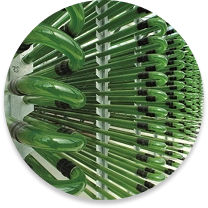
What Are Algae and Where Do They Come From?
Algae is the general name for photosynthetic organisms living in fresh and salt water. Those too small to see are microalgae; large ones such as seaweed are macroalgae. This page is about microalgae biomass — see our separate page for seaweed. Spirulina is technically a cyanobacterium but is traded as blue-green algae.
Algae biomass is grown in open ponds or closed photobioreactors, then separated from the water by filtering or centrifuging and dried. Microalgae production in Türkiye is still small-scale; lots can come from production plants, from residues left after the product is extracted, and from algae grown in wastewater treatment. Some of the algae that bloom naturally in lakes and reservoirs can be toxic, so such biomass is only considered after analysis.
Typical Technical Values
| Property | Typical value |
|---|---|
| Moisture | About 75–90% as filtered paste; 5–10% when dried |
| Ash | About 5–20% of dry matter; higher in wastewater algae |
| Protein | About 45–70% of dry matter in spirulina and chlorella |
| Gross calorific value | About 3,800–5,900 kcal/kg on a dry basis (by species) |
| Form | Slurry, filtered paste, or dried powder and flakes |
These are typical ranges from published sources; actual values vary by lot, source and moisture. We share a laboratory analysis of every lot with our quote.
What Are Algae Used For?
Algae are used in food supplements, fish and animal feed, omega-3-rich algae oil, natural colourings and cosmetics; in farming they are also used as fertiliser and soil conditioner that supports plant growth. Residues left after extraction can go to biogas plants. Research into biodiesel and other fuels from algae continues, but it is not common at commercial scale; dried algae will burn, but as a valuable raw material it is generally not used as boiler fuel.
- Feed and aquafeed producers
- Fertiliser and plant-nutrition producers
- Food supplement, cosmetics and colouring industries
- Biogas plants (production residues)
Transport and Delivery
Wet algae paste spoils within days, so it travels chilled and quickly; dried algae travels in moisture-proof bags or big bags and is stored somewhere cool and dry. For feed and food lots, hygiene conditions and analysis certificates matter too. Every shipment is recorded with a waybill and a weighbridge ticket.
What Determines the Price of Algae?
The price of algae biomass varies over a very wide range with the species and intended use; food-grade dried algae and a production residue bound for biogas are not the same product. We build our quote around:
- Species and intended use (feed, fertiliser or biogas)
- Protein, ash and moisture (laboratory analysis)
- Wet, paste or dried
- Volume, delivery schedule and distance to the delivery point
Looking for a Buyer for Algae Biomass?
Biyolink buys the algae biomass you produce, or the algae residues left from production. Sign up to the marketplace for free and list it; tell us the species, volume, whether it is wet or dried and any analysis values, and we will send our price.
Frequently Asked Questions
What are algae — are they plants?
Algae are photosynthetic aquatic organisms, most of them single-celled. They resemble plants but have no true roots, stems or leaves, and biology usually treats them as a group separate from plants. Microscopic ones are called microalgae; large ones such as seaweed, macroalgae.
What are algae used for?
Microalgae are used in food supplements (spirulina, chlorella), fish and animal feed, algae oil, natural colourings and cosmetics; in farming as fertiliser and soil conditioner, and in wastewater treatment to take up nutrients from the water. Production residues are a biogas feedstock.
What is algae oil?
Algae oil is an oil obtained from certain microalgae that is rich in DHA, an omega-3 fatty acid; it is used in food supplements and feed as an alternative to fish oil. Biyolink does not sell supplements; we buy and sell raw or dried algae biomass.
Can algae be used as fuel?
Biodiesel, biogas and other fuels from algae have been researched for a long time, but high growing and drying costs mean algae fuel is not common at commercial scale. Today the realistic energy use is digesting the residues left after extraction in biogas plants.
How can I sell my algae biomass?
Sign up to our marketplace for free and create a listing, or message us on WhatsApp. Tell us the species, volume, whether it is wet or dried and any analysis values you have.
How much does algae biomass cost?
The price varies widely with species, intended use, dryness and analysis values, volume and delivery point, so we do not publish a fixed price. Tell us the volume and intended use for a current quote — or, if you have algae biomass to sell, list it and we will send our price.
 Poultry Litter
 Cattle Bedding
 Seaweed
 Fish Waste