
Poultry Litter Supply and Sourcing
Poultry litter is the wood shavings or rice husk spread on broiler house floors, mixed with the birds’ manure. Rich in nitrogen, phosphorus and potassium, it is mostly used as organic fertiliser and biogas feedstock, and as fuel only in plants that hold the right permits. Biyolink buys poultry litter from broiler farms, verifies it with analysis and delivers it to fertiliser producers, biogas plants and suitably permitted plants.
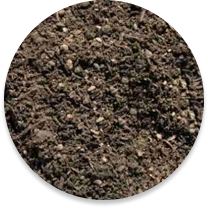
What Is Poultry Litter and Where Does It Come From?
Broiler houses are bedded with wood shavings, rice husk or chopped straw. The bedding absorbs manure and moisture through the growing cycle and is cleaned out, mixed with manure, at the end of it. Also sold as chicken manure, the mix varies in moisture and nutrients with the bedding material, the number of flocks it served and how it was stored. Laying-hen farms mostly do not use bedding, and their manure is wetter.
In Türkiye broiler production is concentrated in the Marmara region, above all in Sakarya, Bolu, Düzce and Balıkesir. Houses are cleaned out cycle after cycle all year, so litter is available year-round; large, regular supply is collected from several farms.
Typical Technical Values
| Property | Typical value |
|---|---|
| Moisture | About 20–40% as cleaned out |
| Ash | About 10–30% of dry matter |
| Nutrients | About 2–4% N, 2–4% P₂O₅, 2–3% K₂O (as is) |
| Net calorific value | About 1,700–2,700 kcal/kg depending on moisture |
| Form | Bulk; shavings or husk mixed with manure |
These are typical ranges from published sources; actual values vary by lot, source and moisture. We share a laboratory analysis of every lot with our quote.
What Is Poultry Litter Used For?
Poultry litter is mostly used as fertiliser: spread on fields, or composted and dried into organic fertiliser and pellets. It also goes to biogas plants; because its nitrogen and ammonia content is high, it is usually co-digested with cattle manure or crop residues. As a fuel, its high ash, nitrogen and chlorine limit it to plants designed for it, with flue-gas cleaning and the necessary permits.
- Organic fertiliser and compost producers
- Biogas plants (co-digestion)
- Poultry manure pellets and granular fertiliser
- Permitted combustion plants designed for this fuel
Transport and Delivery
Poultry litter travels in bulk on tipper trucks. It gives off odour and dust and leaches when wet, so loads should be sheeted and the litter stored under cover on a sealed floor at the plant. As an animal by-product, it may only go to plants with the right permits to accept it. Every shipment is recorded with a waybill and a weighbridge ticket.
What Determines the Price of Poultry Litter?
The price per tonne is not fixed; it changes with farms’ clean-out schedules and the quality of the lot. We build our quote around:
- Moisture, ash and nutrient (N, P, K) values
- Bedding material and foreign matter
- Volume and delivery schedule
- Distance from the farm to the delivery point
Looking for a Buyer for Poultry Litter?
Biyolink buys the litter from your broiler houses. Sign up to the marketplace for free and list it; tell us your clean-out schedule, bedding material and expected volume and we will send our price. We plan the collection and haulage.
Frequently Asked Questions
What is poultry litter?
Litter is the bedding — wood shavings, rice husk or straw — spread on the floor of broiler houses. What Biyolink buys and sells is the used litter cleaned out at the end of the growing cycle, mixed with manure. If you need clean bedding for your houses, see our sawdust and rice husk pages.
What is the nutrient content of chicken litter?
Published sources give poultry litter, as cleaned out, about 2–4% nitrogen, 2–4% phosphate (P₂O₅) and 2–3% potash (K₂O); it also contains calcium and organic matter. Values vary with the bedding, moisture and number of flocks; we share an analysis of every lot.
What is the calorific value of poultry litter?
Published sources give poultry litter a gross calorific value of about 3,200–3,500 kcal/kg on a dry basis, and a net calorific value of about 1,700–2,700 kcal/kg at the moisture it has when cleaned out. Its ash content is far higher than that of wood or shell fuels.
Can poultry litter be burned as fuel?
Only in plants designed for it, with flue-gas cleaning and the necessary environmental permits. With high ash, nitrogen and chlorine, poultry litter should not be burned in the open, in stoves or in ordinary boilers; odour and pollutant emissions are high and it raises problems under environmental rules. If your plant wants to use it as fuel, we assess the permits and boiler suitability together at the quote stage.
How can I sell my poultry litter?
Sign up to our marketplace for free and create a listing, or message us on WhatsApp. Tell us where the farm is, the clean-out date, the bedding material and the expected volume.
How much does a tonne of poultry litter cost?
The price per tonne depends on moisture, nutrient values, bedding material, volume and delivery point, so we do not publish a fixed price. Tell us the volume and delivery location and we will send a current quote with the analysis values — or, if you have poultry litter to sell, list it and we will send our price.
 Cattle Bedding
 Seaweed
 Algae
 Fish Waste